
 ©Nohcab
Calais, the heart of the Opal Coast
Calais is not only the gateway to the Opal Coast, it is its beating heart, less than an hour and a half's drive from all the other coastal towns. The very name of the coastline, born from the ever-changing light of the English Channel, is reflected even in the opalescent scales of the Dragon of Calais.
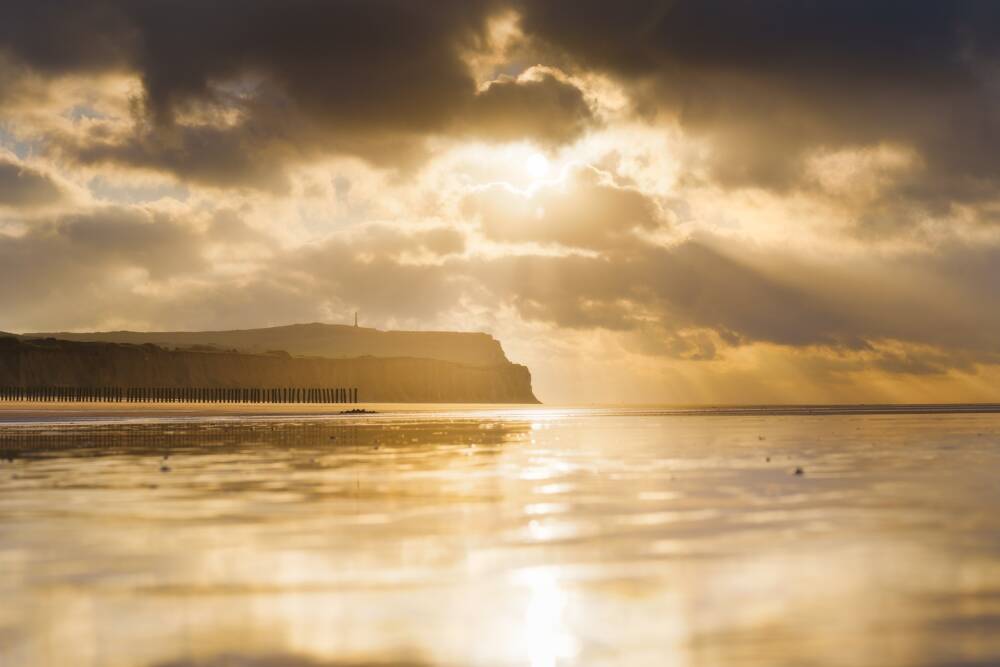
A light that gives its name to the territory
The name Côte d'Opale (Opal Coast) was coined in 1911 by Édouard Lévêque, a painter and writer from Le Touquet, to capture the ever-changing play of light along this coastline, from the Bay of Somme to the Belgian border. Calais and its surroundings not only bear the name of the coast, but they also extend its hue between land and sea! Here, this light is reinvented daily, even in the very materials used: the wooden skin of the Calais Dragon, a work by François Delaroziere for the Dragon Company, is opal colour on its six hundred square meters of scales.
All roads pass through Calais ©Nohcab

The heart of the Opal Coast
This position is not just a figure of speech either: Calais also embodies the reality of the Euroregion, with the Channel Tunnel and the ferry links that make the city the only point on the coastline directly linked to the United Kingdom.
Starting point at all scales
All facets within a few square kilometers
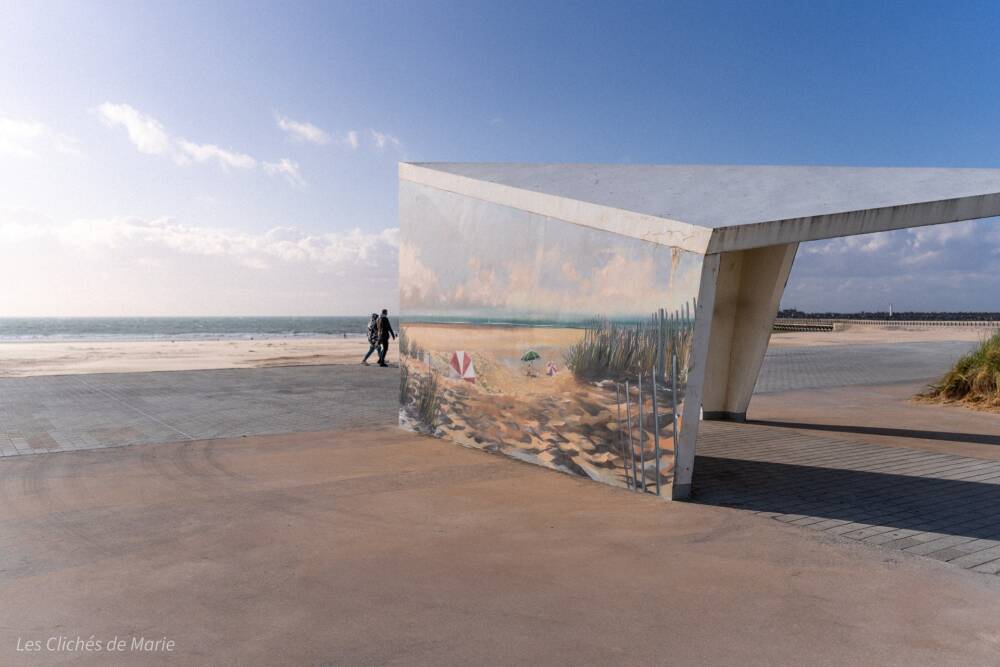
From this central point, three faces of the territory are revealed. Those who come seeking the open sea will find the most beautiful beaches of the Opal Coast, of the large family beach of Calais THE Beach to the wild coves nestled beneath the Cape Blanc-NezThose who come seeking the history of the stones will follow the thread of Calais, city of Art and History, belfry listed as a UNESCO World Heritage Site to Rodin's BourgeoisThose who come seeking a different kind of open space, that of work and people, will let themselves be carried away by the maritime identity of Calais and its port, first passenger port of continental Europe, located at the narrowest point of the Strait of Dover, where nearby, in the old port, the fish stalls of Sea Courgain perpetuate a tradition even older than the port itself.
Visiting Calais: the must-sees ©Nohcab
 ©Nohcab
Reaching Calais means arriving in the middle of a dream stay on the Opal Coast.
No other city on the coast combines such immediate proximity to England with such a capacity to exert influence across the entire region in such a short time. Calais is not only the gateway to the Opal Coast, it is also its central point.
 ©Marie's pictures
To the east, a 20-minute drive away, Gravelines unfolds its star-shaped ramparts designed by Vauban. They perfectly complement the discovery of the Citadel of Calaisthe only remaining vestige of our fortifications. The Gravelines Arsenal also houses the only French museum entirely dedicated to original prints.
Dunkirk, Twenty minutes further northeast, the port combines its history with contemporary art. The Port Museum, housed in a former 20th-century tobacco warehouse in the heart of the Citadel district, retraces the history of the port and its key figures, beginning with the privateer Jean Bart, echoing our own privateer from Calais. Tom Souville.
Then, heading southwest, 40 minutes away, it's Boulogne-sur-Mer the maritime region, which lives to the rhythm of its fishing port and Nausicaa, its national sea center. Located facing the coastline, it extends the relationship with the ocean in a completely different register, that of immersion and discovery of marine ecosystems.
Finally, 1 hour and 30 minutes south, Berck and the Touquet-Paris-Plage They close off the Opal Coast, with a seaside lifestyle inherited from the early 20th century, between golf courses, a national forest, and a large sandy beach where horseback riders and land yachts mingle. Along the way lies Bagatelle family park, the oldest French amusement park still in operation.
Urban adventures or adventures in the great outdoors
Calais is also the starting point for diametrically opposed adventures, but which make up the richness of our XXL territory, in 14 municipalities with very different faces, from the coast to the countryside.
 ©Charles Delcourt
 ©Lyzebre
An XXL playground between land and sea
To the west, towards the Grand Site des Deux-CapsSangatte opens the gateway to the Caps et Marais d'Opale Regional Natural Park, while Escalles nestles at the foot of the Cape Blanc-Nez, starting point of hiking trails which are among the most popular on the coast. They climb up the hills of Peuplingues and Bonnigues-Lès-Calais.
To the east, Marck unfolds its vast beach and its Fort Vert dune system. Coulogne, further south, hosts its own sporting events every autumn, such as the Bathtub Race or the Coul'runCoquelles and Fréthun serve as entry points to the territory, just minutes from the terminal of the Channel TunnelBetween these poles, a more discreet hinterland, made up of agricultural villages and marshes, completes this human-scale landscape, where Nielles-Lès-Calais, Saint-Tricat and Hames Boucres retain their personality with their bell towers in the heart of the town.
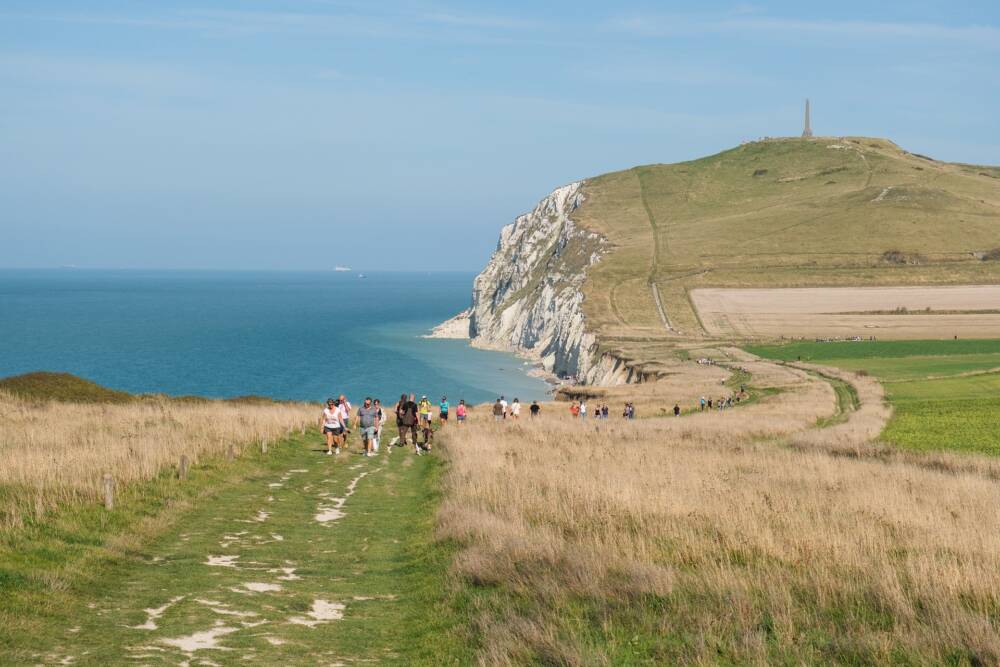 ©Nohcab
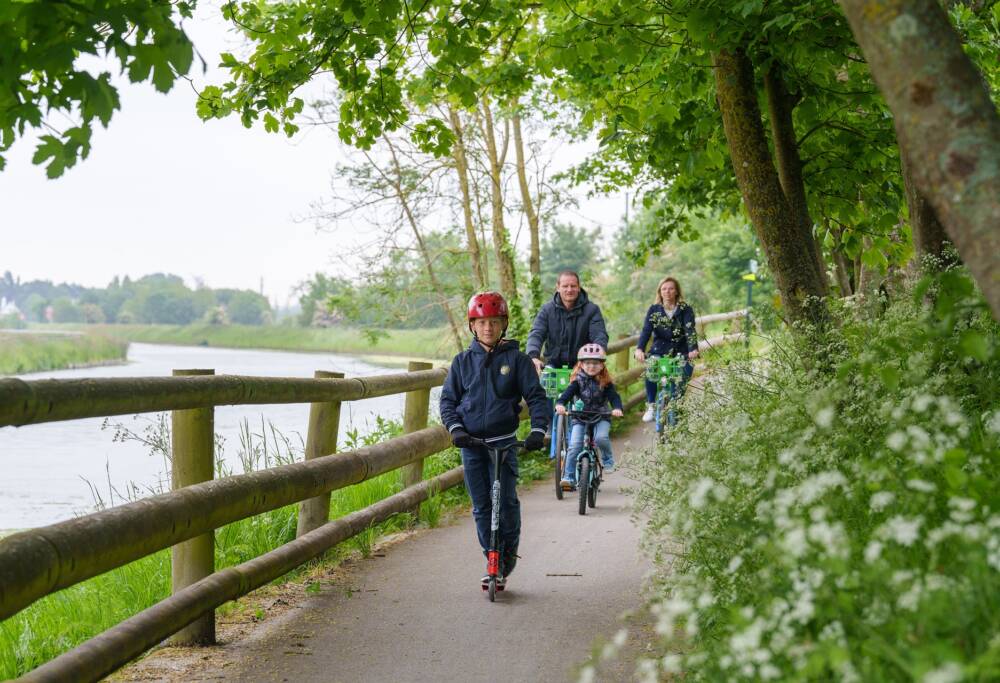 ©Nohcab
Explore it on foot or by bike!
Many of these towns are crossed by cycling and hiking trails. Starting with the GR120, a long-distance hiking trail that runs along the entire coastline. It allows hikers to connect the landscapes of Escalles, Sangatte, Calais, and Marck along their seaside.
By bike, the Calais conurbation has the unique distinction of having three EuroVelo routes intersect, a position shared by no other coastal city. The Vélomaritime, or EuroVelo 4, crosses the city before running along the cliffs of the Grand Site des Deux-Caps to the south. EuroVelo 12, the 'North Sea Cycle Route', runs alongside it to the Belgian border. Finally, EuroVelo 5, the Via Romea Francigena, which connects Canterbury to Rome, officially begins its French journey in Calais.
Discover Calais on foot or by bike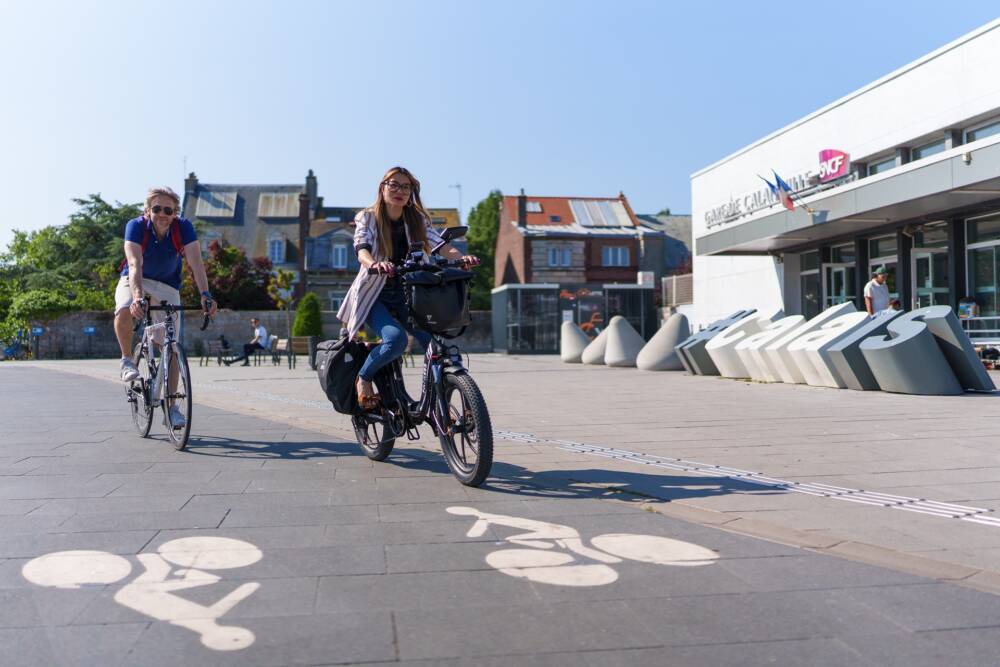
Ready to start your stay on the Opal Coast?
Choose accommodation in Calais and enjoy the region between land and sea that the area has to offer. Then explore the entire coastline for a long weekend immersed in local culture.
Where is Calais located on the Opal Coast? +
Calais occupies the northernmost point of the coastline, facing England, at the narrowest point of the Strait of Dover.
Coming to Calais and its surroundingsIs Calais a good base for visiting the entire Opal Coast? +
Its location and direct access to the Channel Tunnel and ferries make it a convenient starting point for exploring both the industrial and fortified north and the seaside south of the coastline.
Gravelines can be reached in twenty minutes, Boulogne-sur-Mer in forty minutes, Dunkirk in forty-five minutes, and Le Touquet-Paris-Plage in one hour thirty minutes by the coastal road.
What to do in Calais in one day? +
The belfry of the Town Hall, the Monument to the Burghers of Calais, the City of Lace and Fashion as well as the bestiary of the Compagnie du Dragon can easily be visited in a day, before heading to the beach for the sunset.
Visiting Calais: the must-seesWhat is the best time to visit Calais and the Opal Coast? +
Each season offers a different light, from the high tides of spring and autumn to the summer activity of the seafront, and the Christmas market in winter.